
“ONE: Enter the Dragon” was without a doubt one of the biggest offerings in promotional history, and has so far been one of the most high-drama events in the 2019 combat sports schedule. The drama didn’t stop in the ring, though with one of the major upsets of the night, a Featherweight Kickboxing world Grand Prix quarter final match between the consensus greatest of all time Giorgio Petrosyan and former Thai stadium champion Petchmorrakot Petchyindee Academy being retroactively declared a no-contest due to Petchmorrakot’s allegedly illegal use of extended clinching techniques.
The decision by ONE chairman Chatri Sityodtong to overturn the bout brought outcry from both sides of the argument, but enough about that (listen to my own thoughts here), the decision is made and now we can look ahead to what each man needs to do to build off of the last encounter and climb their way to the tournament semi finals.
Giorgio Petrosyan’s tool kit is far from flashy. His career is built on the meticulous execution of a small number of basics, driven home by an almost superhuman management of distance, ring control and timing. His high percentage techniques include a left cross, right hook and left knee up the centre, making his way up in the K-1 MAX days what made Petroysan such an impossible puzzle to solve was his ability to do damage on the counter but at this later stage in his career with ONE he is taking a far more aggressive approach.
Petchmorrakot is a former Lumpinee Stadium champion and the last man to defeat the legendary Saenchai. Although an accomplished fighter Petchmorrakot is not a kickboxer by trade and thus Petrosyan was a tall order. Much of Petchmorrakot’s stadium success was built upon counter kicking, and using his tall frame to stifle and wear out opponents in the clinch.
The first round of the bout was what we have come to expect from Petrosyan, taking centre ring and making his presence felt, engaging with his hands and disrupting Petchmorrakot’s rhythm by finishing his combinations off with a teep to ensure he was out of range of any counters, and could catch him overextending on any attempts.
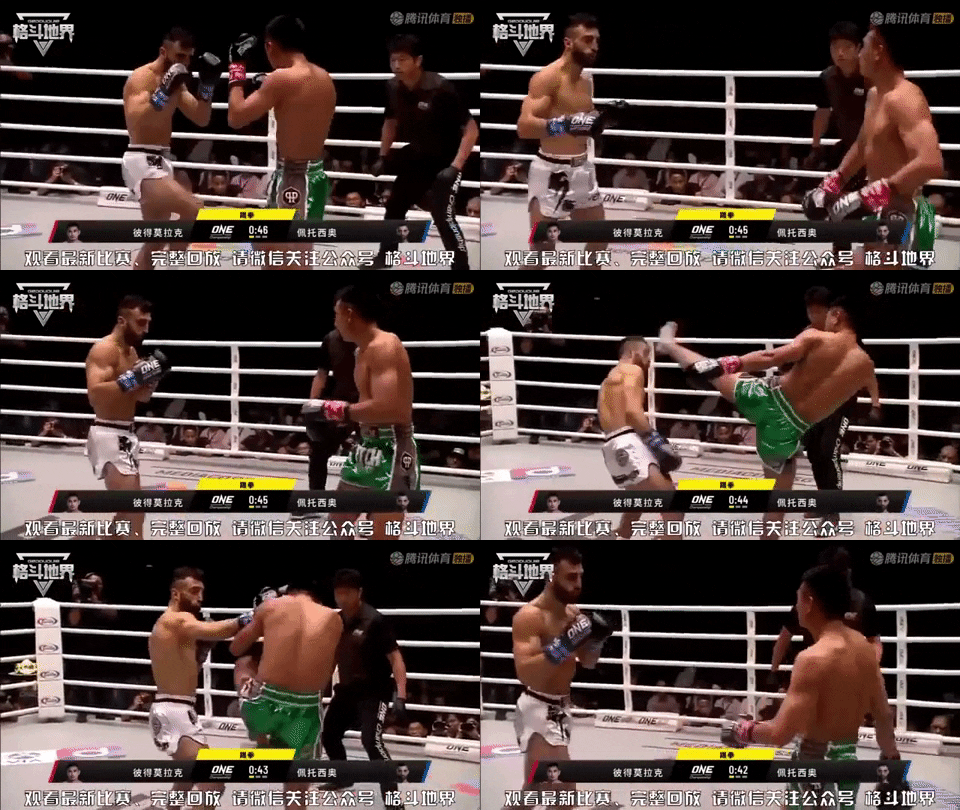
The second round onward, however, was what got this fight so much attention. Petchmorrakot made the major adjustment to completely change his approach from pacing backward toward the ropes attempting to counter kick the advancing Petrosyan, to setting his feet and trying to smother the boxing attack and fire off knees until the referees call to separate.
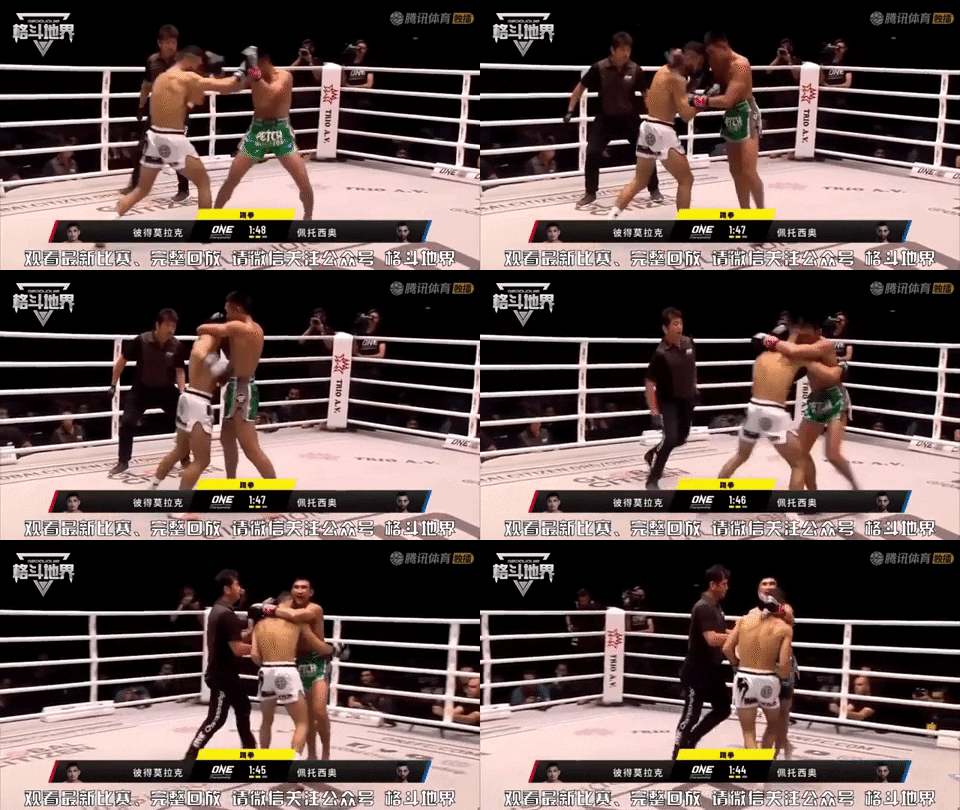
Despite the fact that the clinchwork of Petchmorrakot has now been deemed to be against the rules, the tactical switch-up my Petchmorrakot did leave Petrosyan looking helpless and could hold they key to Petchmorrakot scoring a win controversy free this time around.
What kickboxing aficionados believe was misunderstood about the first bout is the idea that, while clinching up briefly to deliver a knee is within the rules if the offensive side fails to immediately break and fight their way out any scoring blows delivered within the clinch are considered void. Looking at it this way, the idea is that although Petchmorrakot’s knee attack was wearing Petrosyan down, making him look visibly faded and largely warning off his boxing offence, the referee should have been more vocal about Petchmorrakot fighting out of clinches after delivering knees and given the repeated nature of the infraction should have deducted a point or points from the Thai.
In this bout the officiating will not be on the side of Petchmorrakot’s knee heavy game plan. The post-fight drama (And Chatri’s willingness to throw his own referee under the bus) will very likely mean there will no leeway given with clinching and the finger will be on the point deduction trigger from the get-go. The Petchyindee camp will understand this, so how can they build upon their previous game plan that worked to exploit an apparent chink in the legend’s armour while making their approach a little more kickboxing friendly?
Petrosyan mapped out his winning plan in the opening round of their first encounter. If he can dictate the range, take centre ring and force Petchmorrakot to engage him on the back foot, the Thai’s single-strike approach to counter fighting leaves too much room for Petrosyan to do what he does best. Petrosyan’s head movement and control of lateral position means trying to exchange blows is like navigating a minefield. Petrosyan’s finely tuned counter game makes him able to bait his opponent’s into vulnerable positions and punish them when they attempt to engage. His ability to catch and counter Petchmorrakot’s left kick effectively shut down his go-to counter and opened the door to volume punch attacks, and finishing his combinations with disengaging tactics like the teep meant Petchmorrakot was constantly readjusting, trying to find Petrosyan and attempting to strike from even more vulnerable positions.
What we can read from these exchanges is that against Petrosyan, a back peddling counter kick game isn’t going to do the job. Trying to change his game to fight Petrosyan on the outside will probably be too risky, what turned the tides in the last fight for Petchmorrakot was rather than trying to box with Petrosyan or run him into counter kicks, setting his feet and smothering the boxing attack to deny Petrosyan the space he like to work from. This is still a viable plan. Petchmorrakot can knee his way to victory within the ruleset, his entries against Petrosyan’s boxing game were exactly what he needed the first time, he just needs an exit plan to ensure the referee doesn’t have to intervene.
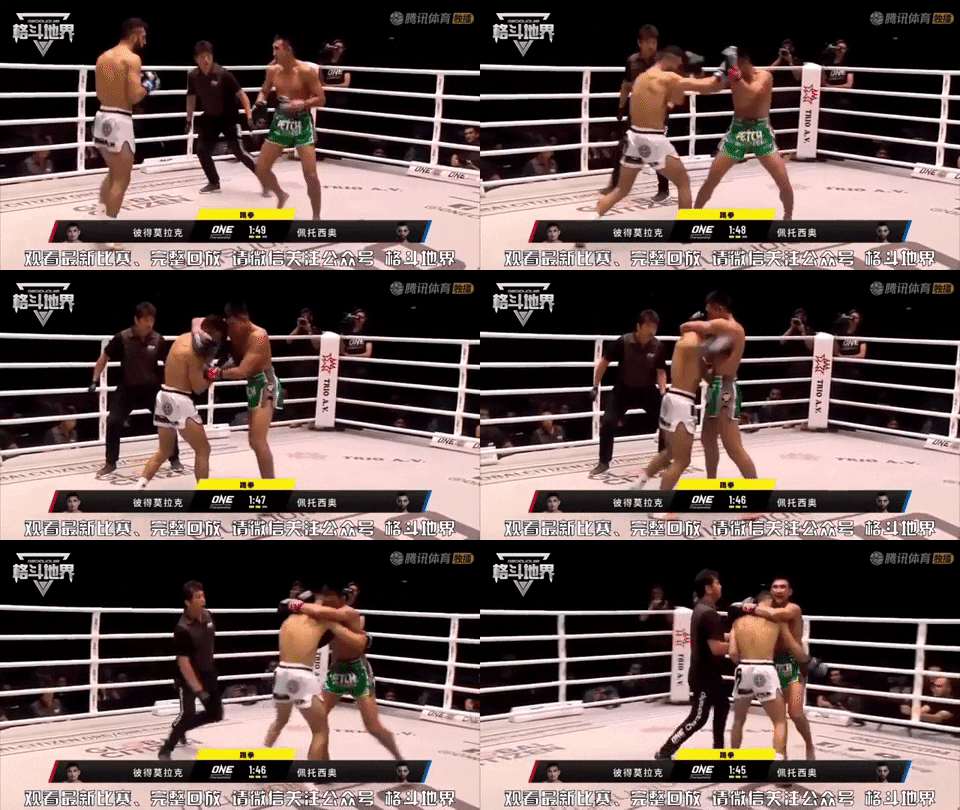
Above is an example of where Petchmorrkot’s knee game will serve him best. Smothering Petrosyan’s lead hand and framing over the back of his neck to disrupt his posture and not allow him the space to set up his left hand, giving him time to fire a knee into the mid section. By shutting down incoming strikes altogether Petchmorrakot avoids trading with Petrosyan and giving him strikes to counter. What the Thai needs to sharpen up here is his ability to exit the clinch upon delivering the knee, to avoid undoing his work.
Where Petchmorrakot can build upon this tactic, is establishing his knees, tiring Petrosyan and taking advantage of the fatigued, more desperate version of Petrosyan that emerges from the clinches. In the first bout, Petchmorrakot acknowledged that the knees were having success and understandably went back for more, but what he may have ignored was how much better he was able to read the attacks of Petrosyan once he had firmly established the threat his his knees and thus taken away Petrosyan’s ability to hold his advantageous ring position.
Here is an example of an overlooked aspect of the first fight between the two that may hold they to victory for Petchmorrakot. Petrosyan’s attacks became slower due to the mounting damage from absorbing knees, and the threat of getting tied up with Petchmorrakot made him hesitant to commit and gave Petchmorrakot more opportunity to read, and get the better of striking exchanges by stringing together punch combinations and setting up his kicks. If Petchmorrakot wants to erase any doubt and get his hand raised again, it has to be a game of shutting down Petrosyan’s boxing, establishing the knees, paying attention to his exits to ensure he scores effectively, thus forcing Petrosyan to chase him and then switch his offence to establish his kicks. Petchmorrakot lay his blueprint last time, the important factor to watch is how he capitalises on disengaging after delivering knees and continuing to drown Petrosyan at a distance on the break.
Whether the Thai can stick to the plan here remains to be seen, especially given the fact that a kickboxing super computer like Petrosyan has already had 3 rounds to get a feel for him. Each man has a clear path to victory and whoever comes out on top has a strong case for being the favourite to take out the tournament. Whether we see a counter fighting masterclass from Petrosyan or a frustrating knee onslaught from Petchmorrakot, we can all hope that this time around the result is free from controversy and we can move on with the Grand Prix as planned.
 Double Dragon Podcast